-
-
-
Mon - Sat: 10:00AM - 8:00PM
-
Fistula-in-Ano
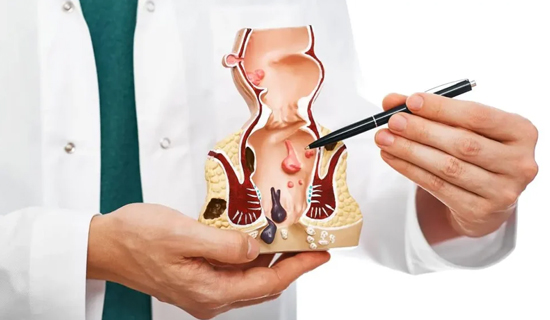
Fistula-in-Ano
Fistula-in-Ano is an abnormal tunnel that develops between the anal canal and the skin surrounding the anus, usually as a result of an untreated anal abscess or infection. It commonly causes persistent pain, swelling, pus discharge, and recurrent infections, significantly affecting a person's comfort and quality of life. If left untreated, an anal fistula rarely heals on its own and may lead to repeated abscess formation and chronic infection.
Dr. Rohini Tejas Patil, an experienced Anorectal, Laser & General Surgeon, provides comprehensive diagnosis and advanced treatment for simple and complex anal fistulas. Depending on the type and severity of the fistula, treatment may include minimally invasive laser surgery and modern sphincter-preserving techniques that promote faster healing, reduce discomfort, and lower the risk of recurrence.
Conditions Treated
Dr. Rohini Tejas Patil provides expert diagnosis and treatment for various types of anal fistulas and associated anorectal conditions, including:
Simple Anal Fistula
Complex Anal Fistula
Low Anal Fistula
High Anal Fistula
Recurrent Anal Fistula
Perianal Fistula
Fistula Associated with Anal Abscess
Multiple Tract Fistula
Chronic Anal Infection
Laser Treatment for Anal Fistula
Symptoms
The symptoms of an anal fistula usually develop gradually and may persist for months if left untreated. Early diagnosis helps prevent repeated infections and complications.
Persistent pain around the anus.
Pus or foul-smelling discharge near the anus.
Repeated swelling or boils around the anal region.
Recurring anal abscess.
Pain while sitting or walking.
Bleeding or discharge during bowel movements.
Redness and irritation around the anus.
Fever associated with infection in some cases.
Difficulty sitting comfortably for prolonged periods.
Persistent wound that fails to heal completely.
Repeated episodes of pain and swelling.
Chronic discomfort affecting daily activities.
If you experience recurrent anal abscesses, persistent discharge, or pain around the anus, consult Dr. Rohini Tejas Patil for early diagnosis and advanced treatment. Timely intervention helps prevent complications and promotes complete healing.
Causes
Most anal fistulas develop after an anal abscess. When the infection does not heal completely, it may create a tunnel between the anal canal and the skin. Certain medical conditions and infections can also increase the risk.
Untreated or recurrent anal abscess.
Blocked anal glands leading to infection.
Crohn's disease.
Inflammatory bowel disease.
Previous anorectal surgery or trauma.
Tuberculosis or certain chronic infections.
Reduced immunity or uncontrolled diabetes.
Repeated infections around the anal region.
Diagnosis
A detailed evaluation is essential to identify the fistula tract and determine the most appropriate treatment approach.
Detailed medical history.
Clinical examination.
Assessment of fistula opening and tract.
Imaging investigations when required.
Evaluation for associated abscess or infection.
Treatment
Anal fistulas usually require surgical treatment, as they rarely heal completely with medications alone. Dr. Rohini Tejas Patil recommends individualized treatment based on the complexity and location of the fistula while preserving anal sphincter function whenever possible.
Treatment options include:
Comprehensive fistula evaluation.
Drainage of associated abscess.
Laser treatment for anal fistula.
Minimally invasive fistula surgery.
Sphincter-preserving procedures.
Management of recurrent fistulas.
Post-operative wound care.
Regular follow-up to monitor healing.
Advanced Laser Treatment for Fistula-in-Ano
Laser treatment offers a minimally invasive solution for selected anal fistulas by precisely closing the fistula tract while preserving surrounding healthy tissues. Compared with conventional surgery, laser treatment is associated with less pain, minimal bleeding, quicker healing, and an earlier return to normal daily activities.
Benefits of Laser Surgery
Laser surgery has revolutionized the treatment of anal fistulas by offering a safe, minimally invasive approach with improved patient comfort and faster recovery. It is designed to effectively treat the fistula while preserving the surrounding muscles responsible for bowel control.
-
Minimally invasive procedure with greater precision.
-
Minimal pain and discomfort after surgery.
-
Reduced bleeding during the procedure.
-
Preserves anal sphincter muscles whenever possible.
-
Lower risk of infection and post-operative complications.
-
Minimal scarring with excellent cosmetic results.
-
Short hospital stay with same-day discharge in suitable cases.
-
Faster wound healing and quicker recovery.
-
Early return to work and daily activities.
-
Reduced risk of recurrence with appropriate follow-up and healthy lifestyle habits.
Recovery After Laser Surgery
Recovery following laser surgery for anal fistula is generally smooth and comfortable. Most patients experience less pain compared to conventional surgery and can gradually return to their normal activities within a short period. Following post-operative instructions is essential for complete healing and preventing recurrence.
Most procedures are performed as day-care surgeries.
Minimal post-operative pain and discomfort.
Regular wound care promotes faster healing.
Maintain proper hygiene around the anal region.
Eat a high-fiber diet and drink plenty of water.
Avoid constipation and excessive straining.
Take medications exactly as prescribed.
Attend scheduled follow-up appointments to monitor healing.
Resume routine activities gradually as advised by your surgeon.
Prevention
Although every anal fistula cannot be prevented, early treatment of anal infections and healthy lifestyle habits can significantly reduce the risk of developing recurrent fistulas.
Seek prompt treatment for anal abscesses and infections.
Maintain good personal and anal hygiene.
Eat a fiber-rich diet to prevent constipation.
Drink adequate water throughout the day.
Exercise regularly to maintain healthy bowel habits.
Avoid delaying bowel movements.
Manage chronic medical conditions such as diabetes effectively.
Consult a specialist if you notice pain, swelling, or discharge around the anus.
Why Choose Dr. Rohini Tejas Patil?
Successful treatment of an anal fistula requires accurate diagnosis, appropriate surgical planning, and meticulous post-operative care. Dr. Rohini Tejas Patil provides comprehensive fistula management using modern, minimally invasive techniques with a strong emphasis on patient safety, comfort, and long-term healing.
Experienced Anorectal, Laser & General Surgeon.
Specialized expertise in treating simple and complex anal fistulas.
Advanced minimally invasive laser treatment techniques.
Sphincter-preserving approach whenever clinically appropriate.
Personalized treatment plans based on individual patient needs.
Evidence-based surgical care focused on long-term outcomes.
Compassionate patient-centered care from consultation to recovery.
Dedicated post-operative follow-up to support complete healing.
Committed to helping patients achieve lasting relief and improved quality of life.
Persistent pain, swelling, or discharge around the anus should never be ignored. Schedule a consultation with Dr. Rohini Tejas Patil for an accurate diagnosis and personalized treatment plan. Early intervention can prevent complications, promote faster healing, and help you return to a healthier, more comfortable life.