-
-
-
Mon - Sat: 10:00AM - 8:00PM
-
Fissure-in-Ano
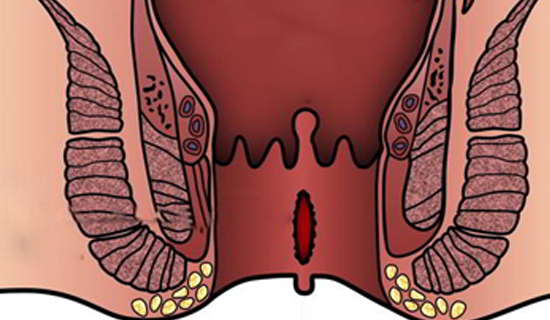
Fissure-in-Ano
Fissure-in-Ano is a small tear or crack in the lining of the anal canal that commonly causes severe pain and bleeding during bowel movements. It often develops due to constipation, passing hard stools, prolonged straining, or repeated diarrhea. Although a fissure may appear minor, it can significantly affect daily life if left untreated, leading to persistent pain, muscle spasm, and chronic discomfort.
Dr. Rohini Tejas Patil, an experienced Anorectal, Laser & General Surgeon, offers comprehensive diagnosis and advanced treatment for both acute and chronic anal fissures. Depending on the severity, treatment may include dietary modifications, medications, or advanced laser surgery to provide effective pain relief, faster healing, and reduced chances of recurrence.
Conditions Treated
Dr. Rohini Tejas Patil provides expert evaluation and treatment for various types of anal fissures and related anorectal conditions, including:
-
Acute Anal Fissure
-
Chronic Anal Fissure
-
Recurrent Anal Fissure
-
Posterior Anal Fissure
-
Anterior Anal Fissure
-
Fissures Associated with Chronic Constipation
-
Anal Sphincter Spasm
-
Sentinel Skin Tag Associated with Chronic Fissure
-
Painful Anal Ulcers
-
Laser Treatment for Chronic Anal Fissure
Symptoms
Anal fissures usually produce noticeable symptoms that should not be ignored. Early treatment helps relieve pain quickly and prevents the condition from becoming chronic.
-
Severe pain during bowel movements.
-
Pain that continues for several hours after passing stools.
-
Bright red bleeding on toilet paper or stools.
-
Burning sensation around the anal opening.
-
Sharp tearing pain while passing hard stools.
-
Visible crack or tear near the anus.
-
Persistent anal discomfort while sitting.
-
Itching or irritation around the anal region.
-
Constipation due to fear of painful bowel movements.
-
Small skin tag near the fissure in chronic cases.
-
Anal muscle spasm causing persistent pain.
-
Difficulty performing routine daily activities because of pain.
Persistent anal pain or bleeding should never be ignored. Early consultation with Dr. Rohini Tejas Patil allows timely diagnosis and effective treatment, helping prevent chronic fissures and ensuring faster healing with long-lasting relief.
Causes
Anal fissures usually develop due to excessive stretching or injury to the delicate lining of the anal canal. While anyone can develop a fissure, certain lifestyle habits and medical conditions significantly increase the risk.
-
Chronic constipation and passing hard stools.
-
Excessive straining during bowel movements.
-
Frequent episodes of diarrhea.
-
Low-fiber diet leading to constipation.
-
Inadequate water intake.
-
Pregnancy and childbirth.
-
Increased anal sphincter muscle tightness.
-
Inflammatory bowel diseases such as Crohn's disease.
-
Poor bowel habits and delaying the urge to pass stools.
-
Previous anorectal injury or trauma.
Diagnosis
Early diagnosis helps relieve pain quickly and prevents an acute fissure from becoming chronic. Dr. Rohini Tejas Patil performs a detailed clinical assessment to determine the severity of the fissure and recommend the most appropriate treatment.
-
Detailed medical history and symptom assessment.
-
Careful physical examination of the anal region.
-
Evaluation of acute or chronic fissure.
-
Assessment for associated piles or fistula.
-
Further investigations if bleeding requires additional evaluation.
Treatment
Treatment depends on the duration, severity, and underlying cause of the fissure. Acute fissures often heal with medications and lifestyle changes, while chronic fissures may require advanced laser surgery for long-term relief.
Dr. Rohini Tejas Patil offers individualized treatment plans focused on relieving pain, promoting healing, and preventing recurrence.
Treatment options include:
-
Comprehensive anorectal consultation.
-
Medical management for acute fissures.
-
Dietary and lifestyle modification.
-
Constipation management.
-
Pain relief and sphincter muscle relaxation therapy.
-
Advanced Laser Surgery for chronic fissures.
-
Minimally invasive surgical procedures.
-
Treatment of associated anorectal disorders.
-
Post-operative follow-up and recovery guidance.
Advanced Laser Treatment for Fissure-in-Ano
Laser surgery is an advanced, minimally invasive treatment option for chronic anal fissures that do not heal with medication. Using precise laser energy, the procedure reduces sphincter muscle spasm, promotes faster healing, minimizes pain, and preserves healthy surrounding tissues. Compared to conventional surgery, laser treatment offers less bleeding, quicker recovery, and an earlier return to daily activities.
After a thorough evaluation, Dr. Rohini Tejas Patil recommends the most appropriate treatment approach based on your symptoms, clinical findings, and overall health, ensuring safe, personalized, and effective care.
Benefits of Laser Surgery
Laser treatment offers a modern and patient-friendly approach for managing chronic anal fissures, helping patients recover comfortably with minimal interruption to their daily routine.
Minimally invasive procedure.
Minimal pain and discomfort.
Reduced bleeding during surgery.
Preserves healthy surrounding tissues.
Lower risk of infection.
Minimal or no stitches in suitable cases.
Same-day discharge for most patients.
Faster healing and quicker recovery.
Early return to work and routine activities.
Reduced chances of recurrence with healthy lifestyle changes.
Recovery After Laser Surgery
Most patients recover quickly following laser surgery for anal fissure. Proper post-operative care and healthy bowel habits help ensure complete healing and long-term symptom relief.
Day-care procedure in most cases.
Less post-operative pain.
Resume normal activities within a few days.
Maintain a high-fiber diet and adequate hydration.
Avoid constipation and excessive straining.
Take medications as prescribed.
Attend scheduled follow-up appointments.
Adopt healthy bowel habits for lasting relief.
Prevention
Simple lifestyle modifications can significantly reduce the risk of developing anal fissures and prevent recurrence after treatment.
Eat a fiber-rich diet.
Drink plenty of water.
Exercise regularly.
Avoid prolonged constipation.
Do not delay bowel movements.
Avoid excessive straining while passing stools.
Maintain good anal hygiene.
Consult a specialist if symptoms recur.
Why Choose Dr. Rohini Tejas Patil?
Experienced Anorectal, Laser & General Surgeon.
Expert treatment for acute and chronic anal fissures.
Advanced minimally invasive laser techniques.
Evidence-based and personalized treatment plans.
Compassionate patient-centered care.
Comprehensive treatment from diagnosis to recovery.
Dedicated follow-up care for lasting results.
Focused on faster healing, patient comfort, and improved quality of life.
If you experience persistent anal pain or bleeding during bowel movements, consult Dr. Rohini Tejas Patil for an accurate diagnosis and personalized treatment. Early intervention can help relieve pain, prevent complications, and restore your comfort and confidence.